Claude Cowork Gets Plugins: Turning AI Into a Specialist for Your Role
February 2, 2026
Anthropic just rolled out plugin support for Claude Cowork, and this might be the update that transforms how professionals actually use AI at work. Released yesterday, the new feature lets users customize Claude for specific job functions without writing a single line of code.
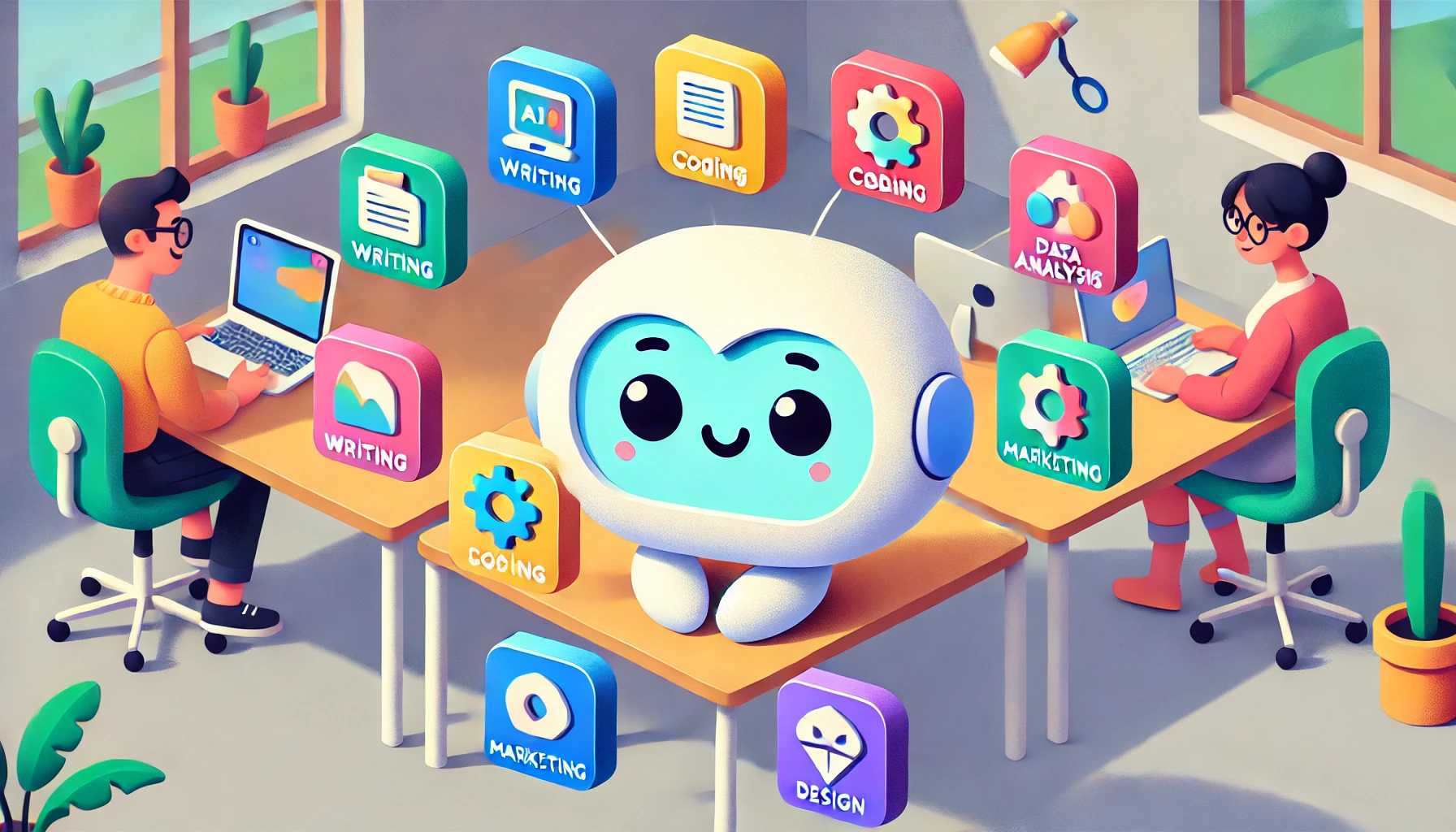
Claude Cowork plugins enable AI to specialize in different professional roles
What Are Cowork Plugins?
Think of plugins as bundled expertise. Each plugin packages together skills, connectors to external apps, slash commands, and specialized sub-agents tailored for a specific role. A sales plugin, for example, can connect Claude to your CRM, teach it your sales process, and give you instant commands for everything from prospect research to call follow-ups.
Anthropic is open-sourcing 11 starter plugins covering roles like sales, finance, legal, product management, marketing, customer support, and data analysis. But the real power is that anyone can build and share their own plugins using a simple file-based structure.
Why This Matters
This is Anthropic applying lessons learned from Claude Code's success to knowledge work more broadly. Instead of forcing everyone to use a generic AI assistant, Cowork plugins let Claude adapt to your specific workflow, tools, and terminology.
The plugin architecture is deliberately simple - they're essentially markdown files organized in folders. No complicated development required. Users can install plugins directly from Cowork, upload custom ones, or even customize existing plugins using Claude itself.
Real-World Impact
In conjunction with the plugin launch, Anthropic revealed that NASA is using Claude to speed up manual work for staffers. The space agency's researchers recently used the chatbot to generate driving instructions for the Perseverance Mars rover, cutting the time needed by half.
Anthropic plans to release an enhanced version in the coming weeks that will enable companies to create internal plugin catalogs for employees - essentially turning institutional knowledge into AI capabilities that anyone on the team can access.
The Bigger Picture
This move signals where AI is heading: not one-size-fits-all chatbots, but specialized assistants that understand your context, connect to your tools, and work the way you work. Whether that's revolutionary or just the next logical step depends on execution, but the infrastructure is now in place.